Pioneers transform countryside with modern retreats
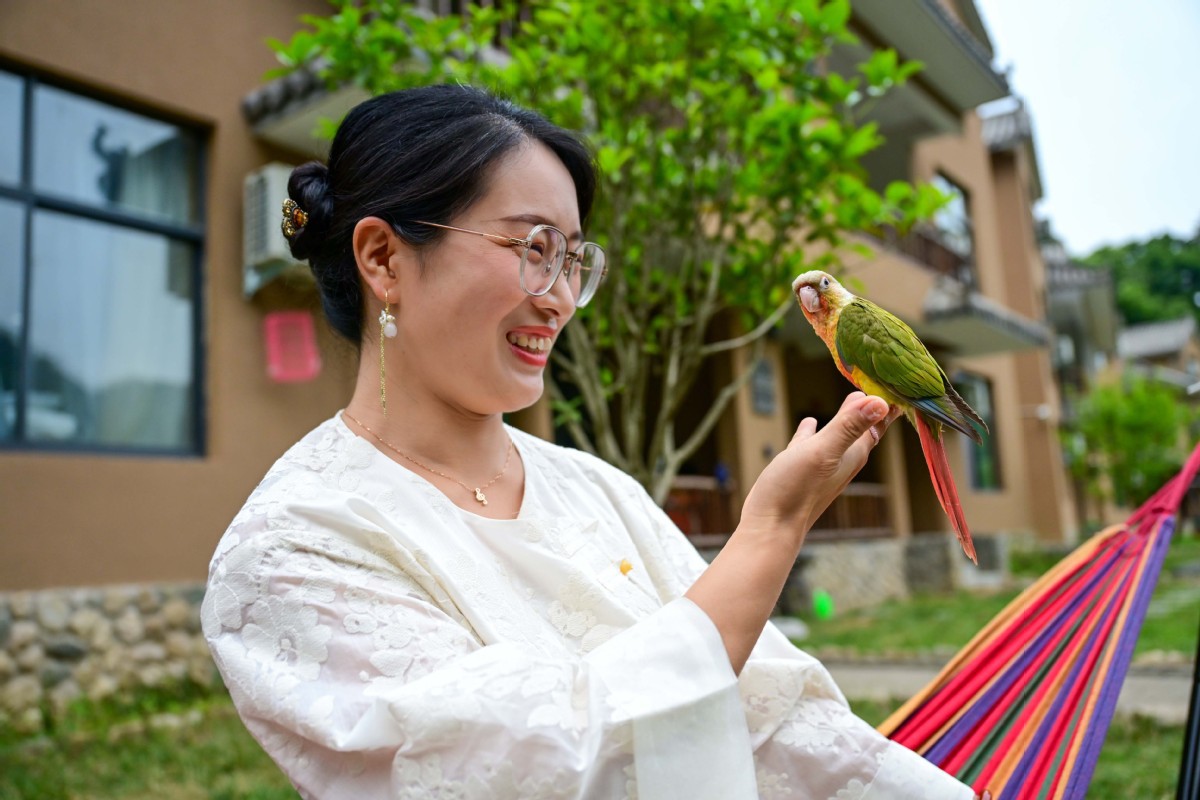
In Checun town, Songxian county, under the administration of Luoyang city in Henan province, a group of youthful pioneers have returned to their hometowns, embracing new approaches and experiences to operate countryside retreats.
After working outside for many years — both in China and abroad — Wu Xuelian, 40, decided to return to her hometown in Tonghe village, Checun town, at the foot of Baiyun Mountain in 2021.
"As a post-80s generation, I was always worried about my elderly parents and left-behind children," she said. "Now I can wake up to see Baiyun Mountain and breathe the fresh hometown air. It's very peaceful."
At her eight-room guesthouse, Wu stirred a pot of home-raised chicken soup for guests. She said she was drawn back by the local government's "old house reclamation" program. The authorities also provide low-interest rural loans to help cover renovation costs, she added.
In 2018, the Luoyang government launched the "Old House Reclamation Plan", encouraging creative young and middle-aged residents to transform old houses into themed homestays. Checun town was designated as the pilot town for the program, according to a document released by the Luoyang Bureau of Agriculture and Rural Affairs.
A total of more than 500 old houses were initially included in the project, and 214 have been reclaimed across Checun town, according to local government data.
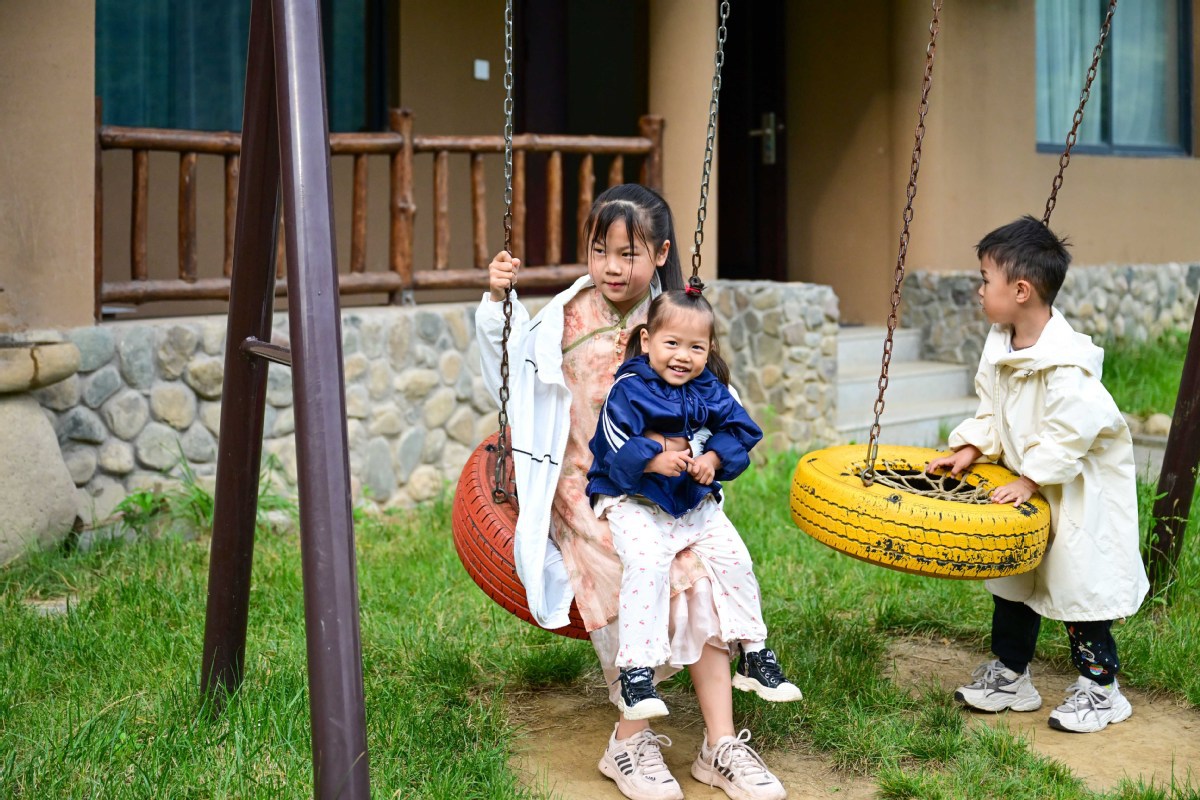
"People rushed to the countryside to enjoy the peaceful lifestyle they like. Visitors would book rooms online, and the more people enjoyed life here, the more others were attracted after reading online reviews and comments about guests' experiences," Wu noted.
"In the past, traditional homestays focused on attracting customers with low prices but provided only basic services. Nowadays, countryside retreats operate through online platforms such as Meituan and Trip.com, making the industry increasingly professional," she said.
Wu grows vegetables and mushrooms, and serves guests home-raised chicken and handmade noodles. During holidays, her rooms are fully booked, she added.
The current countryside retreat model emphasizes rural living experiences and is suitable for family trips and group travel, with facilities for barbecues and gatherings, allowing guests to immerse themselves in a slow-paced mountain lifestyle, said Deng Zhanke, Party secretary of Tonghe village in Songxian county.
This approach has turned villagers into "managers", promoting homestay development and increasing rural incomes, Deng said.
As of now, the area has hosted more than 35,000 visitors annually, with comprehensive tourism income of approximately 20 million yuan (US$2.95 million).
Xiao Tianyu, 33, who majored in traditional Chinese medicine, chose to return to his hometown to run a countryside retreat.
"We want to promote rural life to more people who love and appreciate it," Xiao said.
His eight-villa retreat, named Yunshang Xiaozhu, offers 40 rooms. At the reception area, an AI-generated virtual hostess robot in ancient-style robes recites real-time data on local forest coverage, oxygen levels and seasonal wild herbs. Guests can also scan a QR code to explore a mixed-reality version of the mountain.
"More and more urban tourists yearn for a slow-paced life in nature and care about physical and mental well-being, which makes retreats that combine leisure and wellness increasingly popular," Xiao said.
"Our retreats primarily attract travelers aged 28 to 50, with many opting for short trips," he added. "When people hear children laughing in the yard, the sense of warmth and peace deeply resonates."
"Our local products, once only known within the village, are now reaching markets far beyond our mountains," Xiao said.
"Previously, we could only say 'nice air, many trees', which was too abstract. Today's young returnees bring digital skills and a sense of branding," Deng said.
Web editors: Shen Jianqi, Zhang Rui