Luohe released new findings from the Lingyunshan Road cemetery in the Western District of Luohe
1月9日,在2025年度河南考古工作成果交流会上,漯河市正式公布西城区凌云山路墓群的重要考古发现。该成果为深入认识郾城古城的历史沿革与文化格局,提供了关键实物证据。
On January 9, at the 2025 Henan Archaeological Achievements Exchange Conference, Luohe officially released new findings from the Lingyunshan Road cemetery in the Western District of Luohe. The discoveries provide vital material evidence for understanding the historical development of the ancient city of Yancheng.
伴随平漯周高铁建设推进,河南省文物考古研究院与漯河市文物考古研究所组队,对位于郾城古城遗址北部的凌云山路墓群实施抢救性考古发掘。此次发掘清理出一批年代从战国延续至清代的墓葬与遗物,时间跨度逾两千年。
Driven by the construction of the Pingdingshan–Luohe–Zhoukou High-Speed Railway, the Henan Provincial Institute of Cultural Relics and Archaeology, together with the Luohe Municipal Institute of Cultural Relics and Archaeology, conducted a rescue excavation at the cemetery site located north of the Yancheng ancient city ruins. The excavation revealed burials and artifacts dating from the Warring States Period to the Qing Dynasty, spanning more than two millennia.
跨越千年的葬俗演变
Funerary Practices across Two Millennia
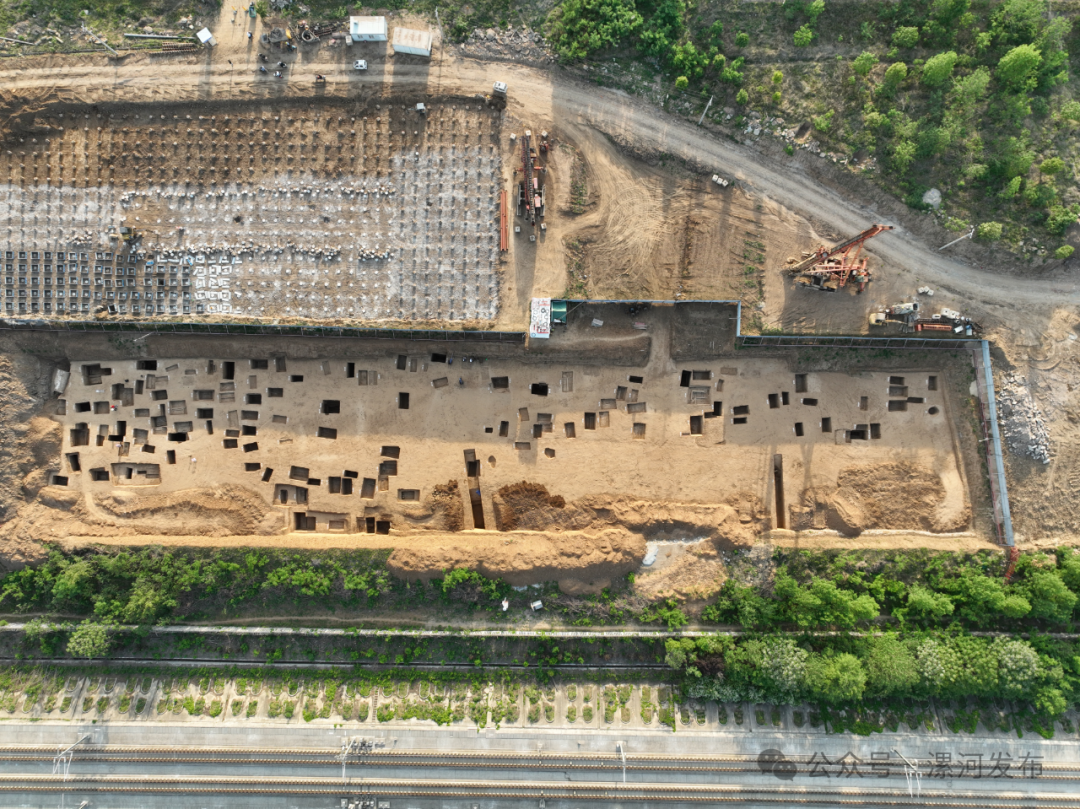
考古人员在发掘区发现了清晰的文化地层序列:现代耕土层之下,是致密而连续的汉代文化堆积,记录着古人生活的痕迹。
Clear cultural layers were identified at the site. Beneath the modern plow layer lies a compact Han-dynasty cultural deposit, preserving traces of ancient daily life.
在编号为M260的战国墓中,考古人员发现墓葬四周设有生土二层台,北壁半椭圆形壁龛内安放陶器,形制保存较为完整。虽然多数墓葬人骨保存较差,仅能据人骨体位辨识其仰身直肢葬的习俗,但在M260附近,一座墓室底部平整、棺痕呈近“Ⅱ”字形的墓,仍较为完整地展现当时独特的墓葬形制特征。
Among the discoveries is a Warring States tomb labeled M260, featuring a second-tier earthen platform and a semi-oval niche in the north wall containing pottery vessels. Although most skeletons are poorly preserved, a tomb near M260 still reveals a distinctive burial structure through its flat chamber floor and "Ⅱ"-shaped coffin traces.
截至目前,凌云山路墓群在两个相邻地点共清理墓葬469座(具体看下图)。其中,战国和汉代墓葬分布有序,显然是经过规划或由专人管理;墓葬形制也呈现出清晰演变轨迹——从战国至西汉时期以壁龛竖穴土坑墓(随葬仿铜陶礼器)为主,到东汉砖室墓,再到清代随葬品简化的瓷罐墓,构成了一部立体的葬俗发展史。
To date, 469 tombs have been excavated across two nearby locations. Warring States and Han-dynasty burials were arranged in an orderly manner, suggesting planned management. From rectangular vertical pit tombs with niches in the Warring States and Western Han, to brick-chamber tombs of the Eastern Han, and simplified porcelain-jar burials of the Qing Dynasty, the site presents a three-dimensional record of funerary evolution.
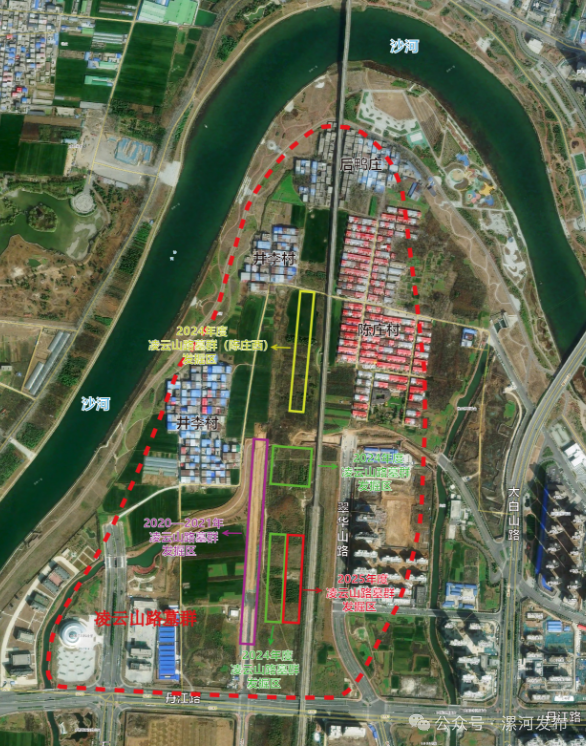
2024年,西城区陈庄西清理墓葬73座;西城区井李村东南墓地分两阶段发掘,2024年清理251座、2025年清理145座,年代涵盖战国、汉至清代。
In 2024, 73 tombs were excavated at the site west of Chenzhuang in the Western District. Another cemetery southeast of Jingli Village was excavated in two phases, uncovering 251 tombs in 2024 and 145 in 2025, dating from the Warring States Period through the Han and Qing dynasties.
出土遗物:南北文化交流的实证
Artifacts as Evidence of Cultural Exchange
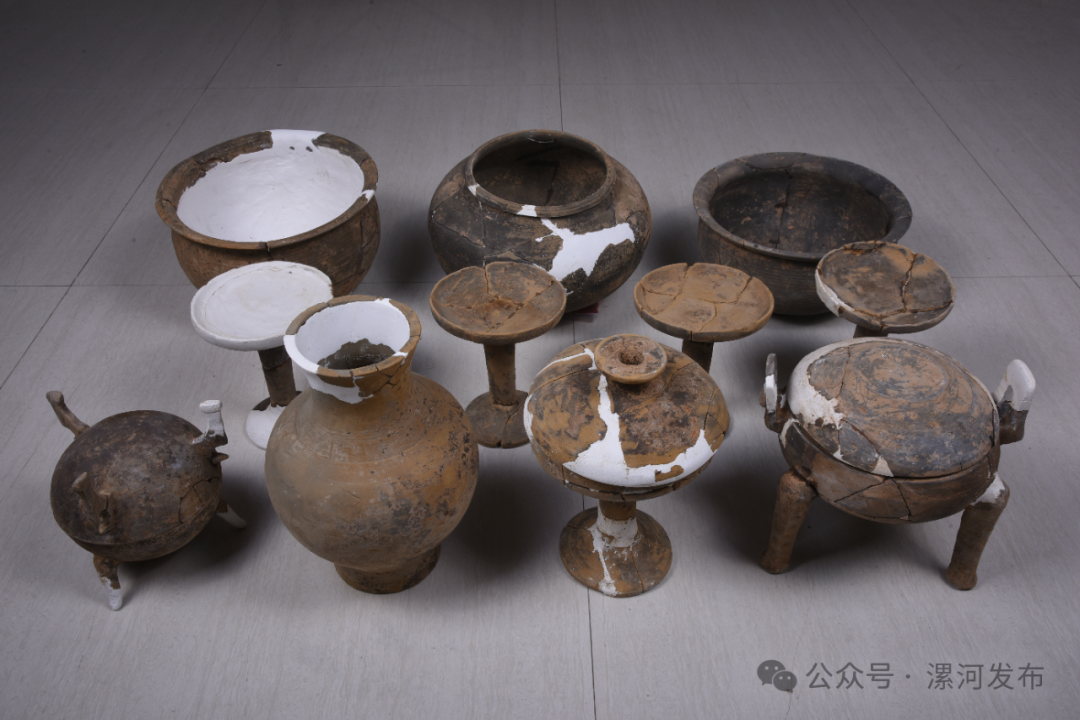
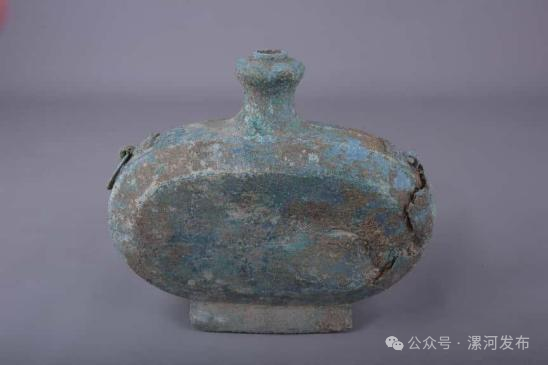
截至2025年5月,考古发掘共出土陶、铜、铁、玉等各类遗物1032件(套)。其中,战国墓葬中出土的陶器组合尤为引人关注。
As of May 2025, a total of 1032 artifacts—including pottery, bronze, iron, and jade objects—have been unearthed. Particularly notable are the pottery assemblages from Warring States tombs.
这些陶器既包括具有中原文化传统的鼎、豆、壶,也包含明显楚文化特征的绳纹罐、陶盂,同时还发现陶敦及近“Ⅱ”字形棺具等特殊器物。这种多元文化元素在同一墓地并存的现象,生动印证了漯河地区在先秦时期作为南北文化交流走廊的重要地位。
These include ritual vessels typical of the Central Plains tradition, such as ding tripods, dou stemmed dishes, and hu jars, alongside Chu-style rope-patterned jars and basins. The coexistence of these elements vividly demonstrates Luohe's historical role as a key corridor for cultural exchange between northern and southern China.
科技考古:让遗存“开口”说话
Scientific Archaeology: Letting the Past Speak
除实物发掘外,考古团队还采集了30具人骨样本和9袋土样,计划通过体质人类学、DNA分析和土壤微形态研究等科技手段,进一步还原墓主人群的年龄结构、健康状况及饮食特征。
In addition to artifacts, the excavation team collected 30 human bone samples and nine soil samples. Future studies employing physical anthropology, DNA analysis, and soil micromorphology aim to reconstruct the demographic profile, health conditions, and dietary patterns of the ancient population.
考古不仅是对历史的发掘,更是一次跨越时空的对话。随着后续研究的深入,凌云山路墓群所揭示的文明记忆,将不断丰富人们对郾城古城及漯河地区历史文化多样性的认知。(来源:漯河国际传播中心)
Archaeology is not only about uncovering the past, but also about building a dialogue between ancient and modern times. As research continues, the Lingyunshan Road cemetery will offer deeper insights into the cultural vitality and inclusiveness of the Yancheng region.